
This type of allergy occurs when an individual cannot break down sulfites, which are a byproduct of fermentation and appear in wine and other alcoholic beverages. Symptoms may include hives, swelling, difficulty breathing, headaches, nausea and vomiting. For those with severe allergies or asthma, sulfite intolerance can be life-threatening. In general, red wines typically have higher sulfite concentrations than white wines. Additionally, you can opt for wine alternatives such https://rosecollinsmillinery0392.live-website.com/index.php/2021/05/18/harmful-and-underage-college-drinking-national/ as mead or beer which typically contain lower levels of sulfites than wine.
Can dehydration from coffee lead to sneezing?
But not many people realize that there are many ingredients, additives, and preservatives within alcoholic beverages that can cause negative side effects. However, caution is advised when drinking wine, as adverse reactions can be severe. It may be best to avoid wine — and any other alcoholic beverages you’re allergic to — completely. Beyond ingested histamine, alcohol can also trigger the body’s own mast cells to release histamine. This release can lead to symptoms similar to an allergic reaction, including sneezing, nasal congestion, and a runny nose. Observing the timing and consistency of your symptoms is particularly helpful.
Sensitivity to Environmental Factors

Additionally, it might be a good idea to drink the beer more slowly and not in one quick gulp. Filtration of wine is an important Sober living house process in the production of a good quality beverage. It helps to remove harmful bacteria, unwanted tannins and other impurities from the liquid before it can be consumed. Egg whites and gelatin are two of the most commonly used filtration agents due to their ability to absorb proteins and reduce astringency.
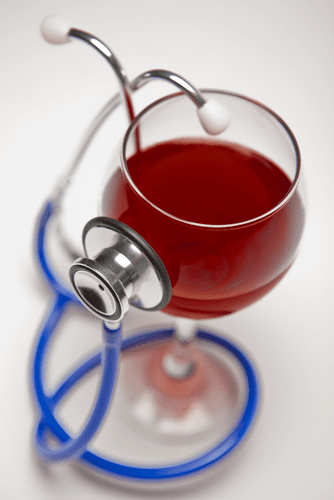
Allergy Testing
If you’re allergic to any of the ingredients in a mixed drink, you may want to avoid it. Spirits such as vodka and gin can also cause sneezing due to the presence of histamines. In addition, some people find that the alcohol in these drinks irritates their nose, leading to sneezing. If you have any severe or painful symptoms after drinking alcohol, don’t just brush it off as alcohol intolerance. These side effects could be caused by a serious allergy and warrant a visit with your doctor to address your symptoms. What’s more concerning, however, is that some medications can lead to uncomfortable (even dangerous) side effects when combined with alcohol.
Subscribe to Wyndly emails for allergy care education & occasional promotions.
Allergic reactions to beer can manifest as abdominal pain and bloating, chest tightness, hives, wheezing, and chest pain. These symptoms can occur almost immediately after ingesting beer and should be treated as severe and potentially life-threatening. In severe cases, alcohol allergies can lead to anaphylaxis, a life-threatening reaction that requires immediate medical attention. Some individuals may also experience worsened sleep patterns, with alcohol allergies potentially aggravating insomnia caused by other allergies.
- Those who have an allergy, however, could have serious reactions if they consume something they are allergic to.
- If you’re prone to seasonal allergies, there may be proteins found in coffee that can elicit a similar immunological response.
- In terms of treatment, medications such as antihistamines can help reduce the severity of symptoms in some cases.
- Dr. Adkinson recommends that people who are prone to alcohol-related allergic reactions should avoid consuming these fruits as well as alcoholic beverages containing sulfites.
DEA arrests over 600 people in massive operation against the Sinaloa drug cartel
In some people, these reactions look like allergy symptoms even though they don’t have a true allergy to alcohol. Beer contains histamines, sulfites, and other compounds that can trigger sneezing, especially if you have allergies or alcohol intolerance. The fermentation process in beer increases histamine levels, which can cause your immune system to react. If you’re sensitive to ingredients like barley or hops, this might also make you sneeze.
When we think can wine make you sneeze about alcohol tolerance, we often think of the number of drinks a person can handle before getting giggly or slurring words. Drinking plenty of fluids will help to thin out the mucus in your nose and make it less likely to trigger a sneeze. If you or someone else is experiencing the symptoms of anaphylaxis, seek emergency treatment. Further study found that the reaction was due to insect venom allergens present in the wine. A 2005 study identified a specific protein found in grapes as the allergen. To make a diagnosis of allergy, a healthcare provider will first take a medical history and do a physical exam.
This will reduce the alcohol in the drink and make it less likely to trigger a sneeze. Your doctor can work with you to help determine if your symptoms are caused by an allergy or an intolerance to wine. These can either be acquired over the counter or through a prescription from your doctor. If you suspect you have an allergy to wine, make an appointment with a healthcare provider. The body’s process of breaking down alcohol also plays a significant role in triggering sneezing for some individuals. When alcohol (ethanol) is consumed, it is first metabolized into acetaldehyde, a toxic compound.
It is typically lighter and sweeter than red wine, but some may find that it can cause sneezing or other irritation. Researchers believe that this could be due to the sulfites used in producing white wine, as well as the histamines found in white grapes. Some people may be sensitive to other compounds in the beverage and will need allergy testing to determine what they are allergic to. Furthermore, it is important for anyone who suspects an allergy to red wine, to speak with their doctor to determine the cause and get an official diagnosis.